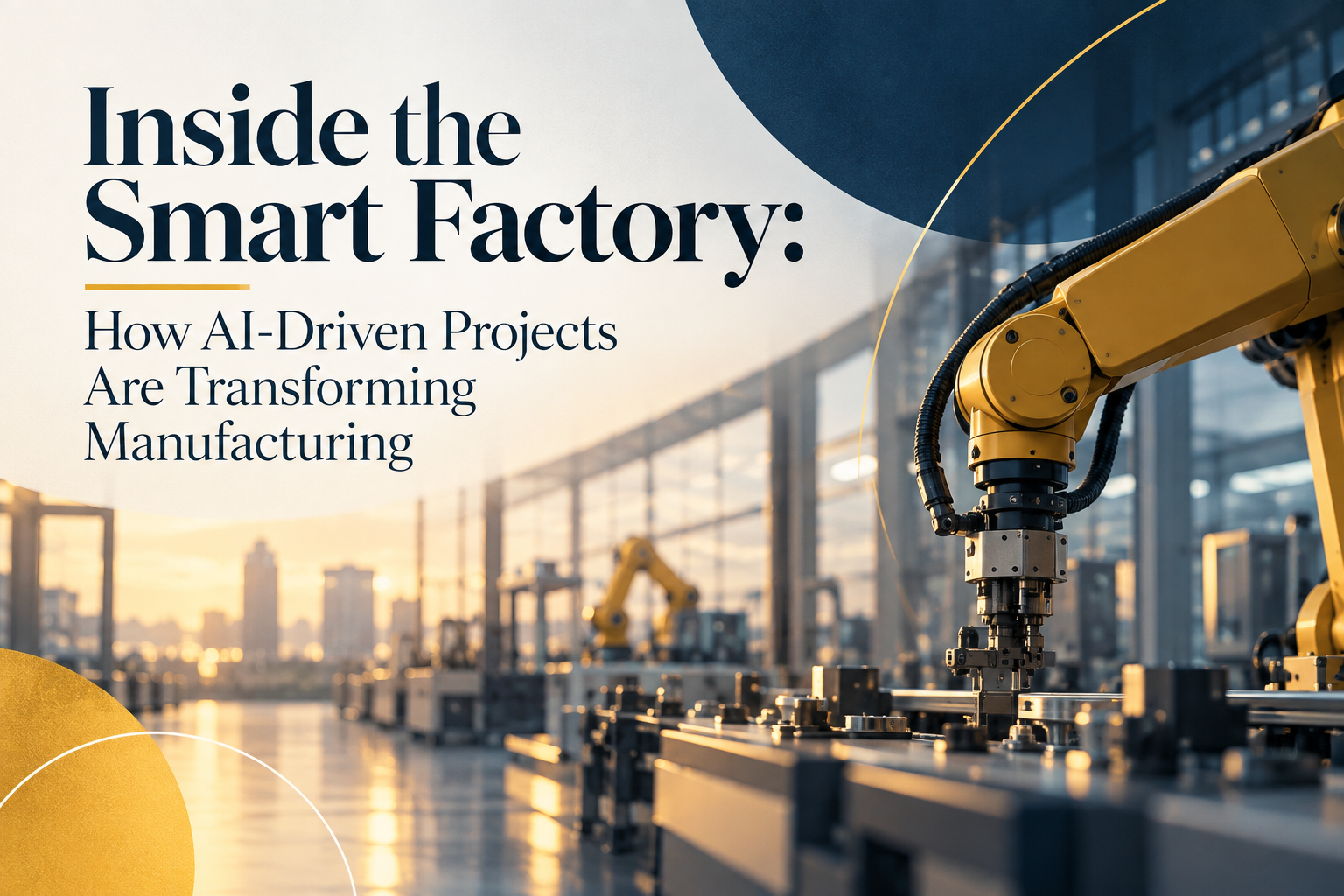
Imagine walking into a factory where machines do not just follow instructions, they learn from data, predict problems before they happen, and respond instantly to changes. This is no longer a vision of the future. Today’s factories are becoming intelligent environments powered by artificial intelligence, automation, and real-time data analysis. Manufacturing is no longer defined by rows of workers performing repetitive tasks, but by smart systems working alongside skilled professionals, as artificial intelligence transforms the industry through autimation, predective maintainance, and AI-driven safety systems that are reshaping workplace efficiency, employee roles, and the skills required for future careers.
One of the most visible changes in modern manufacturing is the rise of automation. Tasks that once required constant human effort are now handled by machines. But rather than replacing workers, this shift is changing their roles. Engineers, technicians, and operators are now responsible for overseeing systems, monitoring performance, and optimizing processes. Their work increasingly involves problem-solving and technical decision-making. As automation expands, so does the demand for individuals who can understand and improve these systems, making adaptability and technical skills more important than ever.
Another key development is predictive maintenance, a technology that allows machines to “anticipate” failures before they occur. By analyzing data collected from equipment, intelligent systems can detect patterns that signal potential issues. For example, a slight change in vibration or temperature might indicate that a machine part is about to fail. Instead of waiting for a breakdown, companies can fix the problem early—reducing downtime, saving costs, and ensuring smoother production. This shift highlights the growing importance of data in manufacturing, where the ability to interpret and act on information is becoming a core skill.
At the same time, safety in industrial environments is being transformed through AI-powered systems. Factories have traditionally been associated with physical risks, but new technologies are helping to reduce these dangers. Using tools like computer vision, AI systems can monitor live video feeds and instantly detect unsafe situations. A worker forgetting protective gloves or using equipment incorrectly can trigger an immediate alert, allowing action to be taken before an accident occurs. These systems not only make workplaces safer but also show how human roles are evolving from performing tasks to interacting with and improving intelligent technologies.
Ultimately, the story of modern manufacturing is not just about machines; it is about a collaboration between people and technology. Success in this new environment depends on more than technical knowledge; it requires critical thinking, adaptability, and the ability to work alongside intelligent systems. For students and future professionals, the message is clear: the factories of tomorrow will not just need workers, they will need thinkers who can shape, manage, and innovate the systems that make them powerful.
Written by Renad Abdullah Aljuhani